
crypto_Investment_Plattform_platform_20260502_034204_1
Investment Plattform Platform Features Built for Structured Monitoring and Strategic Financial Decision Making
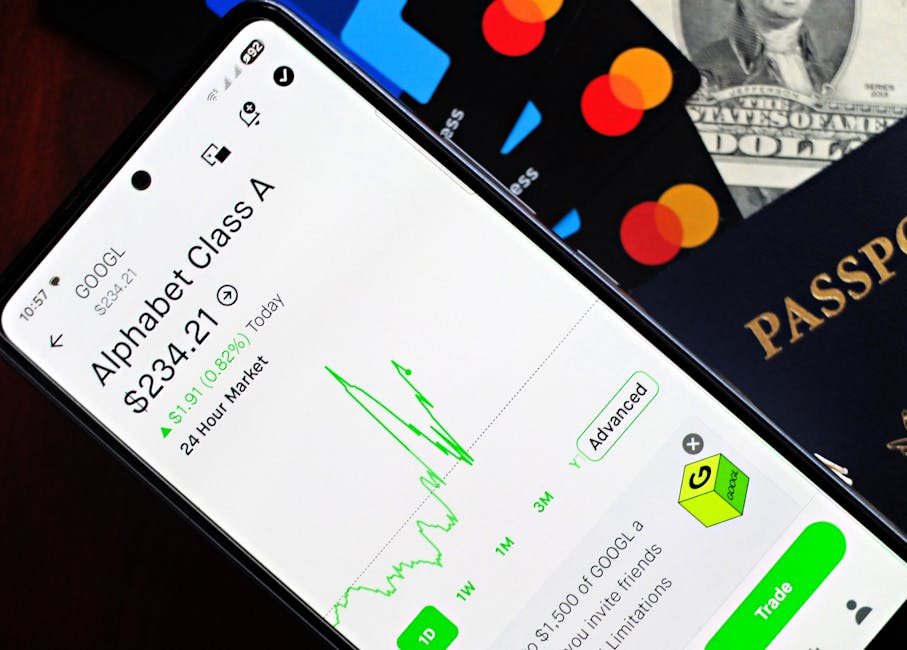
Real-Time Data Aggregation and Custom Dashboards
Financial decisions rely on accurate, up-to-the-minute data. The Investment Plattform platform aggregates data from multiple sources—market feeds, portfolio accounts, and economic indicators—into a single interface. Users configure dashboards to display specific KPIs: asset allocation percentages, sector exposure, volatility indices, and liquidity ratios. Data refreshes every 15 seconds, eliminating delays common in traditional reporting tools. This setup allows analysts to spot anomalies immediately rather than waiting for end-of-day summaries.
Custom alerts complement dashboards. Users set thresholds for metrics like drawdown limits or beta changes. When breached, the system sends notifications via email or SMS. This proactive layer prevents reactive decision-making. For example, a fund manager tracking emerging market bonds can receive an alert if currency risk spikes beyond a predefined level, prompting a hedge adjustment before losses compound.
Integration with External APIs
The platform supports direct connections to brokerage APIs and accounting software. Data flows automatically, reducing manual entry errors. Historical data spans up to ten years, enabling backtesting of strategies against real market conditions. This feature is critical for validating tactical asset allocation shifts before committing capital.
Scenario Analysis and Risk Modeling Tools
Strategic decisions require testing outcomes under different conditions. Investment Plattform includes a scenario analysis module where users input variables—interest rate changes, commodity price swings, or geopolitical events—and model portfolio responses. The engine calculates value-at-risk (VaR), conditional VaR, and stress test results in under a minute. Outputs are displayed in comparative tables, showing best-case, base-case, and worst-case scenarios side-by-side.
Users can save multiple scenario sets and compare them against actual performance. This historical comparison helps refine assumptions over time. A private equity firm, for instance, might model the impact of a 200-basis-point rate hike on leveraged buyout returns. The tool quantifies cash flow sensitivity and debt service coverage ratios, providing concrete numbers for investment committee discussions.
Monte Carlo Simulation Integration
For probabilistic forecasting, the platform offers Monte Carlo simulations. Users define distribution parameters for key drivers (e.g., revenue growth, inflation). The system runs 10,000 iterations and generates probability distributions for portfolio returns. This moves beyond deterministic projections, giving decision-makers a range of likely outcomes rather than a single point estimate.
Collaborative Decision Workflows and Audit Trails
Structured monitoring requires clear accountability. The platform includes workflow tools where investment proposals are submitted, reviewed, and approved digitally. Each step logs timestamps, user IDs, and comments. This creates an immutable audit trail, essential for compliance with regulations like MiFID II or SEC rules. Approvers can request additional analysis directly within the interface, linking to specific charts or scenario results.
Version control is built into document management. When a financial model is updated, the previous version remains accessible. This prevents confusion during team discussions and supports post-mortem analysis of past decisions. A hedge fund compliance officer, for example, can trace why a particular derivative position was opened, reviewing all related risk assessments and approvals.
Performance Attribution and Reporting
Understanding what drove returns—or losses—is central to strategic improvement. The platform decomposes portfolio performance using Brinson and multi-factor attribution models. It separates effects from asset allocation, security selection, and currency exposure. Reports are generated in standard formats (PDF, Excel, HTML) and can be scheduled for automatic distribution to stakeholders.
Benchmark comparison is automated. Users select indices (S&P 500, Bloomberg Barclays Agg, etc.) and the system calculates tracking error, information ratio, and alpha. For multi-manager portfolios, the tool aggregates performance at the total fund level while allowing drill-down to individual manager contributions. This granularity helps identify which managers consistently add value and which require re-evaluation.
FAQ:
How often does Investment Plattform update market data?
Market data refreshes every 15 seconds. Custom alerts can be set for intraday thresholds.
Can I integrate my existing brokerage accounts?
Yes. The platform connects via API to major brokerages and accounting software. Setup typically takes under an hour.
Does the platform support multi-currency portfolios?
It supports over 50 currencies with automatic FX conversion for performance calculations and risk metrics.
Is historical data available for backtesting?
Yes. The system stores up to ten years of historical data for most asset classes and indices.
Reviews
David Chen, Portfolio Manager
The scenario analysis tool saved us during the rate hikes. We modeled our bond ladder and adjusted duration before the market moved. Clean interface, solid calculations.
Sarah Mitchell, CFO
We use the audit trail for board reporting. Every decision is logged. Compliance audits are now quick and painless. Worth the investment.
James Okafor, Risk Analyst
Monte Carlo simulations run fast—10,000 iterations in seconds. I can test multiple assumptions daily. The attribution reports are also top-notch.
